
SPEAKERS (2026)

(Spotify)
Claudia Hauff is a Staff Research Scientist at Spotify, based in the Netherlands. She earned her PhD in Information Retrieval from the University of Twente in 2010 and was a faculty member at Delft University of Technology for 10 years, where she led a team of junior researchers working on a wide range of information retrieval topics, including conversational search, collaborative search, search as learning, and neural IR. Claudia has been at Spotify since 2021, working on large-scale search and recommendation problems.
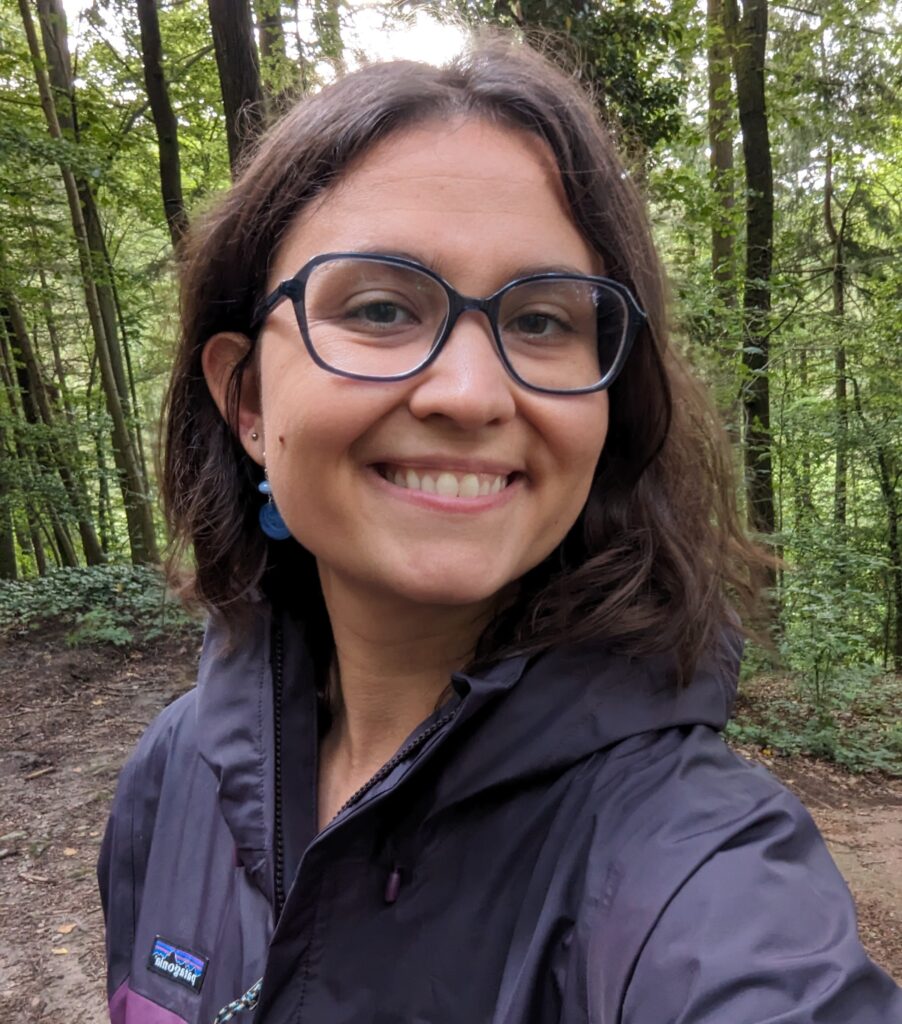
(OroraTech)
Dr. Allison Merritt is a calibration/validation data engineer in the Data Science and AI group at OroraTech. She got her start in observational astronomy, studying the evolution of nearby galaxies with a specialized ground-based optical telescope optimized for diffuse light . After completing her PhD at Yale University, she continued her research at the Max-Planck-Institut-für-Astronomie in Heidelberg, working towards building up as-fair-as-possible comparisons between observations and simulations of nearby galaxies. She then spent the next 4 years as a Data Scientist, where she applied machine learning techniques to a variety of different projects in the fields of automotive e-commerce and outdoor recreation and exploration. Coming back to a more data-centric role at Ororatech, her work centers on data quality characterization, with a focus on the radiometric calibration and validation of thermal imagers. .
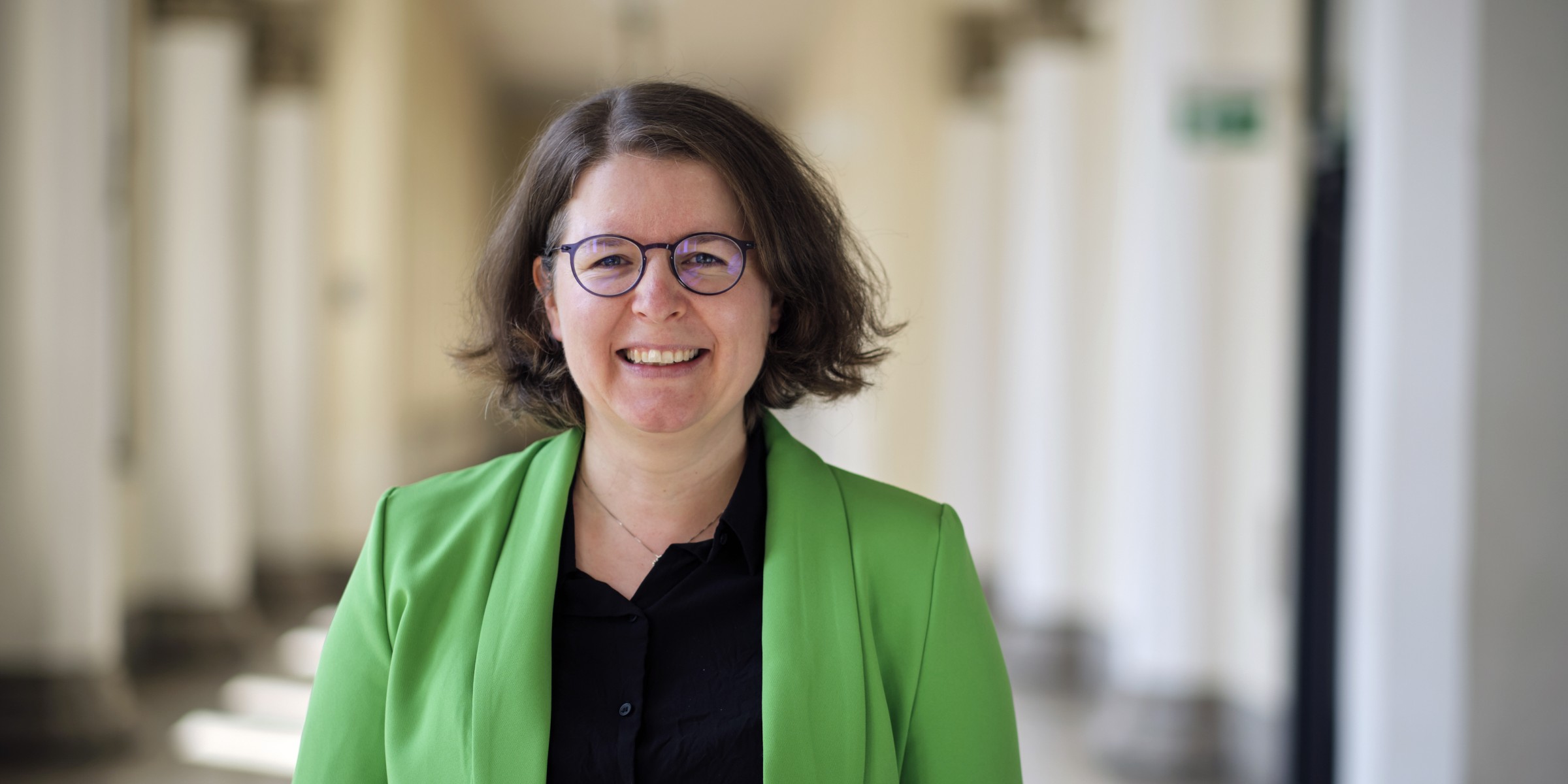
(Professor of AI and Computational Linguaistics at LMU)
Barbara Plank is Professor and Chair for AI and Computational Linguistics at LMU Munich and Co-Director of the Center for Information and Language Processing (CIS). Her research focuses on robust and inclusive Natural Language Processing, with an emphasis on data-centric methods, linguistic variation, and evaluation under uncertainty. Her research is funded amongst others by the European Research Council. In 2026, she is serving as President of the Association for Computational Linguistics (ACL). .
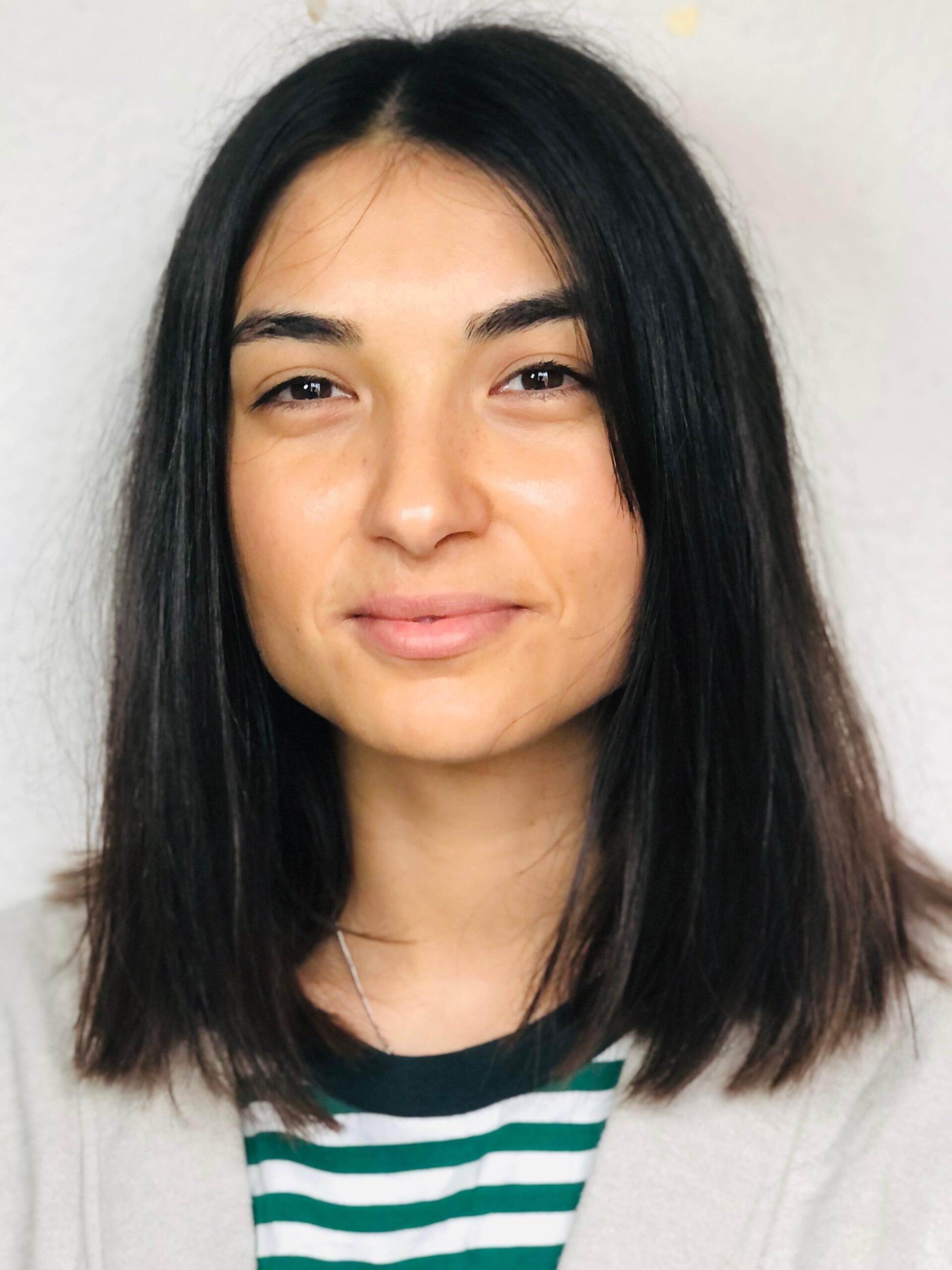
(University of Potsdam)
Oana is a PhD researcher at the TU Berlin, working at Uni Potsdam. She
specializes in causal inference with a focus on understanding distribution shifts and context-specific causal discovery. Her doctoral work centers on developing methods for uncovering causal structure in time series with
endogenous context variables, motivated in part by challenges from climate science. She has published at venues such as NeurIPS and CLeaR, where her contributions span improved conditional independence testing for mixed-type data, frameworks for modeling regime shifts in causal systems, and explainable AI.
Beyond her core research, she is passionate about real-world applications of causal reasoning, from scientific modeling to legal and regulatory contexts. She is currently exploring the development of AI tools that bring causal
methods into practical decision-making environments.
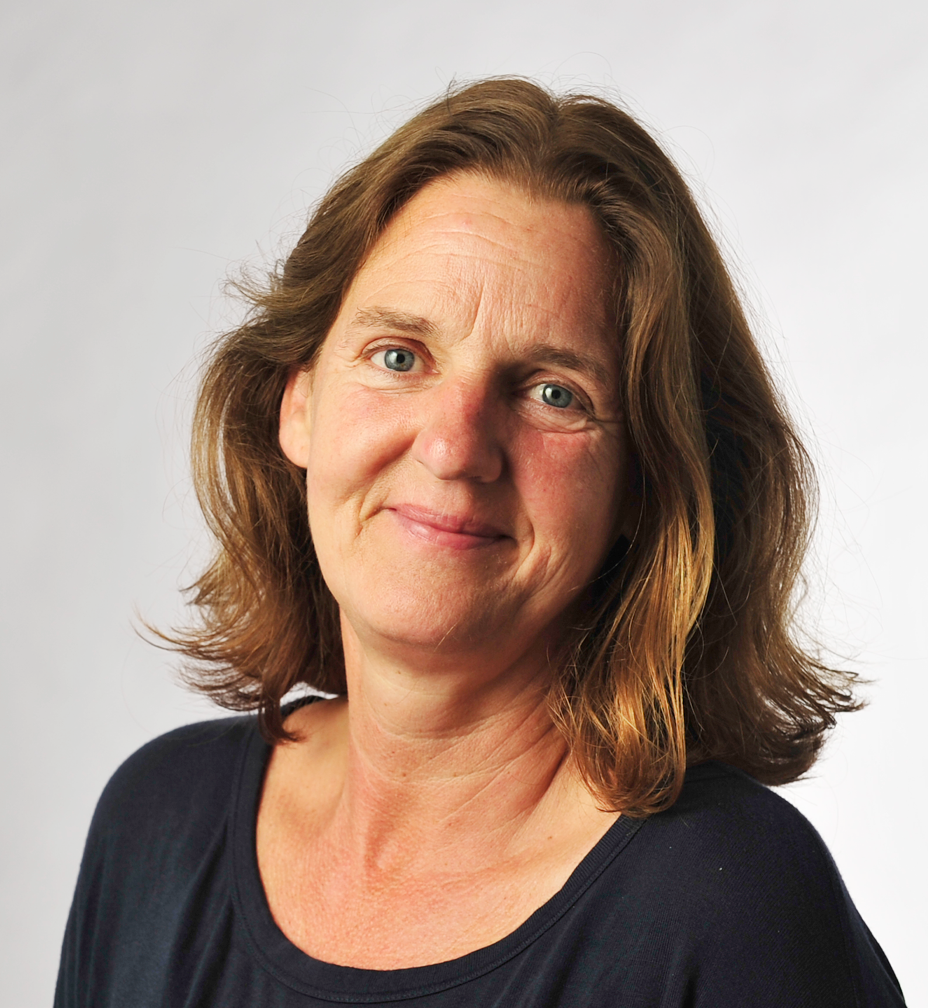
(University of Bamberg)
Prof. Dr. Ute Schmid is head of the Chair of Cognitive Systems at the University of Bamberg and Executive Director of the Bamberg Center for Artificial Intelligence. With a background in both computer science and psychology, her research focuses on explainable and trustworthy AI as well as AI education.
She led the Fraunhofer IIS project group Comprehensible AI (2020–2025) and serves on the boards of the Bavarian Research Institute for Digital Transformation (bidt) and the Bavarian AI Council. Ute Schmid is a EurAI Fellow (2022), GI Fellow (2023), and a member of the National Academy of Science and Engineering (acatech) since 2025.
A passionate advocate for diversity and early AI literacy, she actively promotes women in computer science and brings AI topics into schools and public discourse. Her outreach and equality work have been recognized with the Minerva Informatics Equality Award (2018), the Rainer Markgraf Prize (2020), and the FTI Award for Equality and Diversity (2024).
(OTH Regensburg)
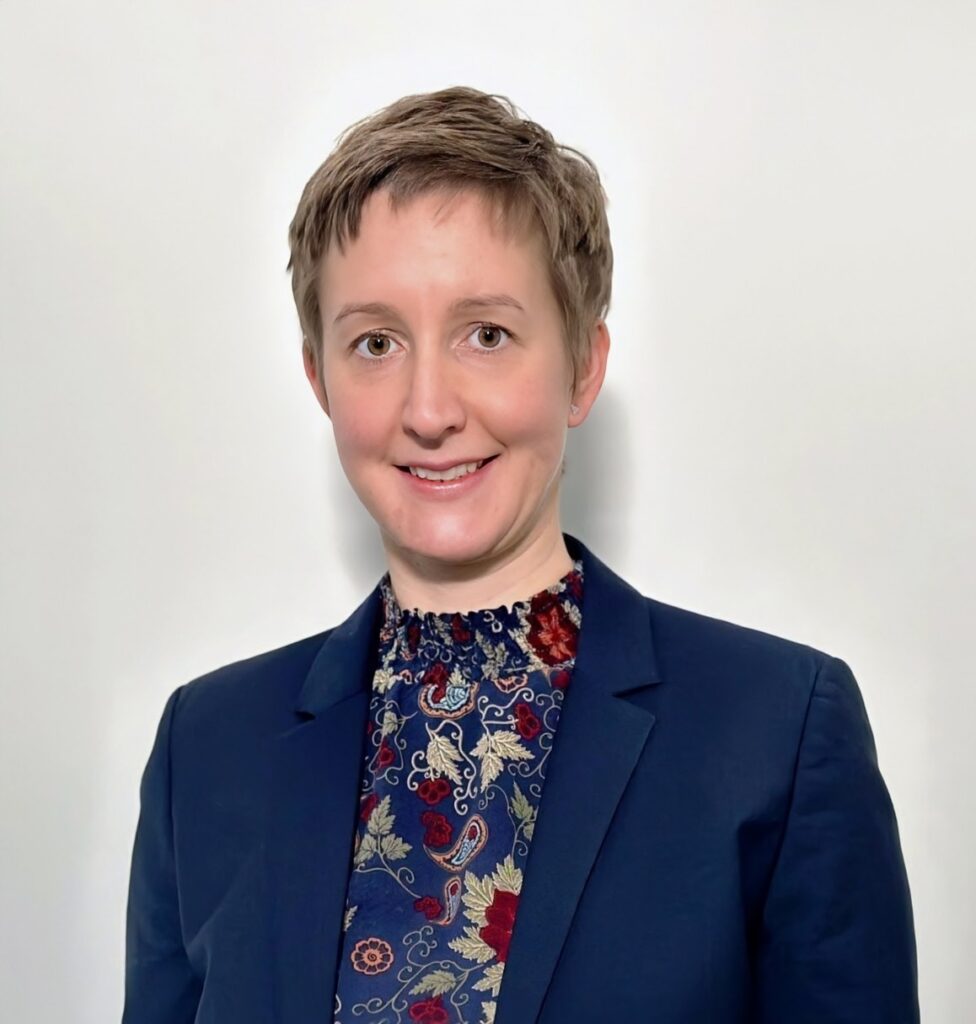
After earning her PhD in Transportation Engineering from the University of the Bundeswehr Munich in 2015, Prof. Dr. Simone Weikl joined the BMW Group as a technical project manager, where she led software development for on-demand mobility services, data management, and data analytics. From 2021 to 2023, she was a postdoctoral researcher and research group leader in data-driven traffic engineering at TU Munich. In 2023, she was appointed Research Professor of Artificial Intelligence for Infrastructure and Urban Development at OTH Regensburg. She integrates AI and mathematical algorithms with emerging data sources to better understand and optimize transportation infrastructure, mobility, energy systems, and sustainable urban development. Her work focuses on data-driven methods for detecting and predicting multimodal traffic conditions, assessing infrastructure quality,
optimizing mobility systems, and developing
new techniques for data collection. Prof. Weikl teaches Applied AI, Data Science, and Operations Research, linking research with real-world applications. More details are available on Google Scholar or ResearchGate.
(